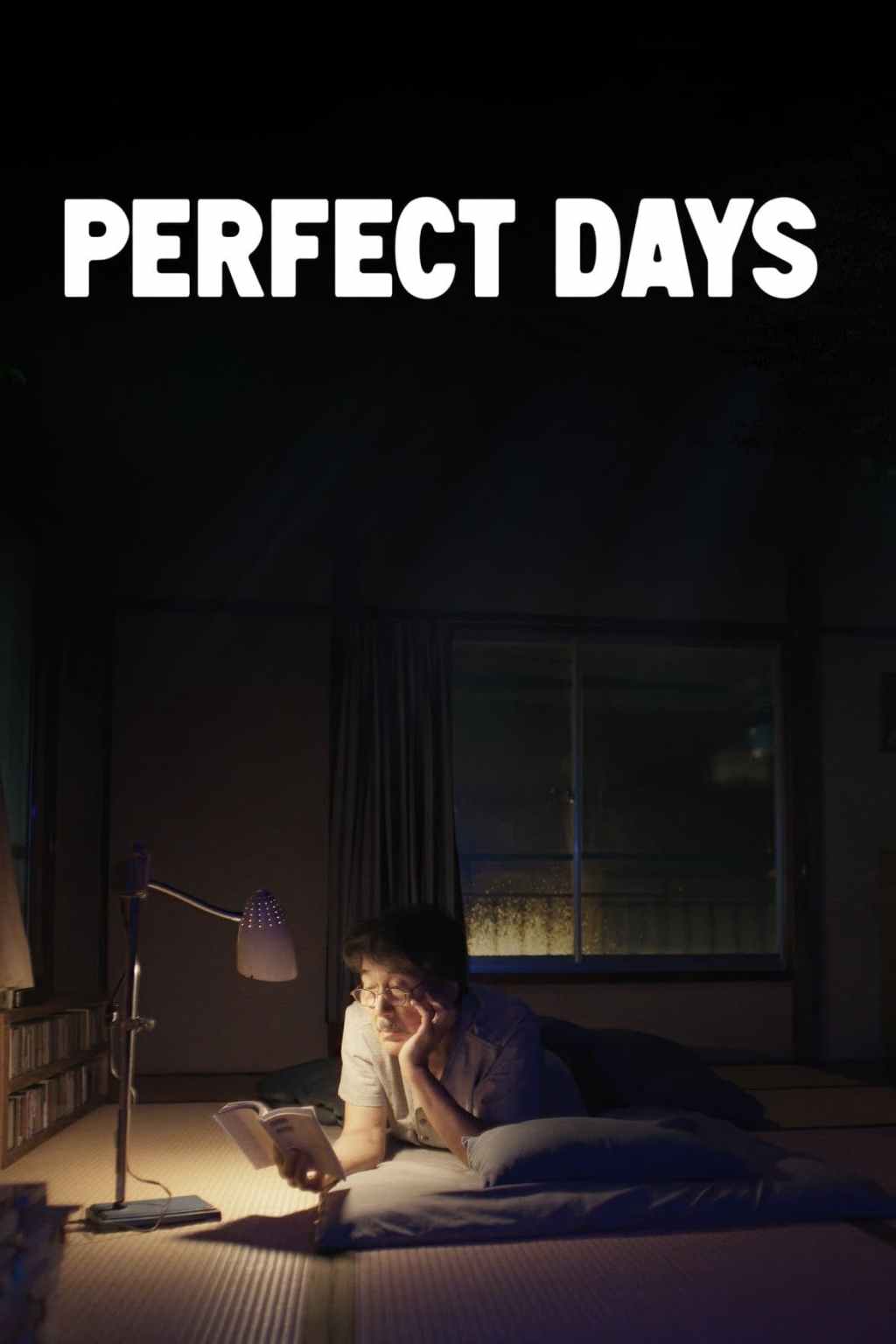
I recently watched Wim Wender’s movie Perfect Days, and I loved it. It seemed to speak directly to many of my current personal struggles. After checking out some reviews and reactions to the film, something really began to annoy me about how some people responded to it, so this is my attempt to root around and figure out why.
It seems like most people I’ve come across tend to think “it’s pretty good, it’s alright” or they’re deeply emotionally affected by it. I’m definitely in the latter camp. There is a certain subsection of those you have the “it’s alright, it’s pretty good” reaction that have been aggravating me. It’s those people that have a sort of “it’s so cozy, it’s so nice and calming, it’s so meditative and gentle” reaction, who tend to see the movie as a relaxing little cup of tea that they can drink and then go back to doing and thinking whatever they had going on. It’s a short break, a five minute mindfulness exercise to them. The reason this irritates me so much, I think, is it feels like they are pulling the teeth from the film, that they are ignoring the subversive, highly disruptive aspect of it. They remind me of Christians who ignore the revolutionary, destroy-your-whole-way-of-life, the-meek-will-inherit-the-earth, rich-people-can-never-get-in-to-heaven, etc. parts of Jesus’s philosophy, and they take only the parts that feel good, that tell them that everything is going to be just fine and that they are being a good person.
Look, I’m probably projecting all of this and yelling at a person that I’ve created in my mind, and maybe my annoyance at modern Christians who seem to completely ignore large parts of the Bible while being disgustingly self-righteous, greedy, and power hungry is what is really fueling this, but I’m going to keep going anyway.
I think what people are not really thinking about in regards to Perfect Days is that once you dig past the meditative, cozy routine of Hirayama’s life and start thinking about what he is actually doing in regards to the modern norms and expectations in a capitalist, grind mindset world, you can see that his existence is highly disruptive, revolutionary, and subversive, albeit in a quiet way. He has rejected economic growth and profit, ambition, self-attention, materialism, technology, convenience, and familial and social expectations. Although we are mainly seeing the fruits of these decisions, the actual rejection that he must have went through is incredibly difficult and painful as all of the powers of the socioeconomic and cultural norms tell you that his is an incorrect way to live. It’s implied that he sacrificed a previous life of affluence and removed himself from a family that expected him to lead a much different life.
Maybe it’s this chasm between just exclaiming things like “be true to yourself,” “don’t worry about what others think,” and “live your life to the fullest,” and the reality of what it means to actually put these concepts into practice that is lost by so many people. To really attempt to do these things is incredibly hard, very painful, and can be extremely lonely. It requires months, years, maybe even decades of being looked down upon, of being told you are wrong, of being told you are not really a good citizen in the eyes of society, of being told that you are useless. You don’t get the Grace without taking the emotional, psychological, cultural, and spiritual beating.
Although the movie could be criticized for being a kind of idealized version of this mindful lifestyle (I’d like to see how pleasant cleaning public toilets is in a major American city as opposed to Tokyo, and he really doesn’t run into any full-fledged asshole type people in the film), I do think that the final shot does bring us back to a very real, uncomfortable emotional truth. Hirayama is happy, but it’s not the uncomplicated joy and happiness of a car insurance commercial or an Instagram reel. Real joy is not in opposition to sadness and despair, it accepts and encompasses them, it has sadness built into it. He smiles, laughs, and weeps all at the same time. Nothing is denied or ignored, everything is seen and felt and accepted. There’s no smooth and easy route to a truly mindful existence.
 Culture Krud
Leave a comment